

How To Build A Wastewater Evaporator
Wastewater Evaporators
Introduction
Hither is everything you need to know about wastewater evaporators on the cyberspace.
You will learn:
- What is a Wastewater Evaporator?
- How a Wastewater Evaporator Works
- The Industries that Use Wastewater Evaporators
- Types of Wastewater Evaporators
- And much more...
Chapter Ane – What is a Wastewater Evaporator?
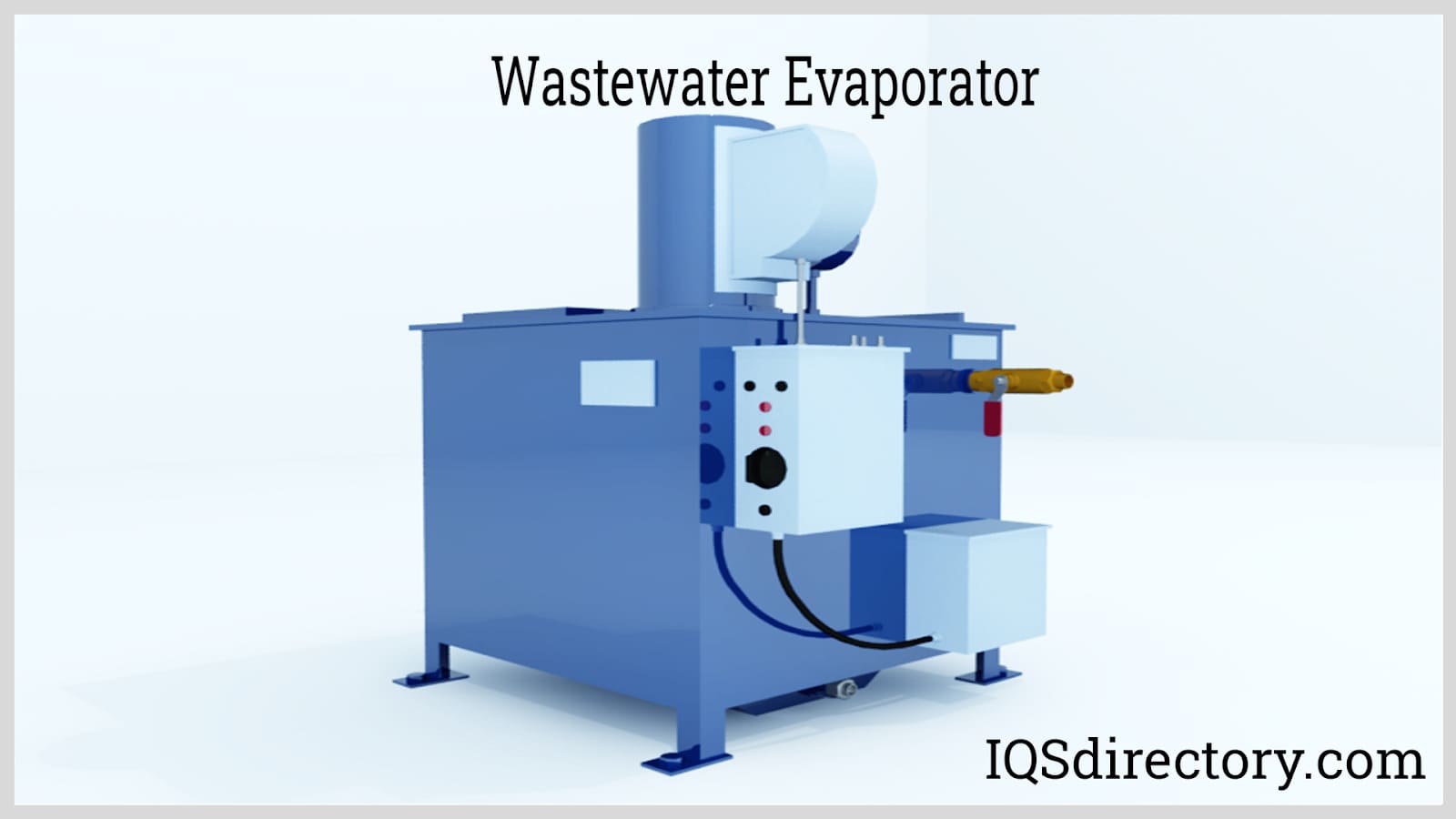
A wastewater evaporator is a method of removing h2o from h2o-based waste by converting the water in the waste to a vapor and leaving contaminants. The role of a wastewater evaporator is to reduce the volume of waste material materials.
The treatment of wastewater is a highly sensitive business organization that is closely regulated with precise specifications. Wastewater evaporator manufacturers work closely with governmental agencies to aid in the removal of toxic industrial waste product.
Chapter Two - How a Wastewater Evaporator Works
A wastewater evaporator uses thermodynamics and mass transfer to remove water from waste material material. Thermodynamic wastewater evaporation involves heating the waste product sufficiently to plow h2o into a vapor using dissimilar sources of fuel.
In one case the h2o has been inverse to a vapor, it is mass transferred in aerosol past a blower equally unfiltered water vapor.
Wastewater evaporation has become an effective method for removing contaminants and concentrating liquid waste. It can remove salts, heavy metals, and hazardous materials. Wastewater evaporators have been found to be more than efficient than solar evaporation ponds that take upward big areas of land and piece of work very slowly.
How a Wastewater Evaporator Works
Feed:
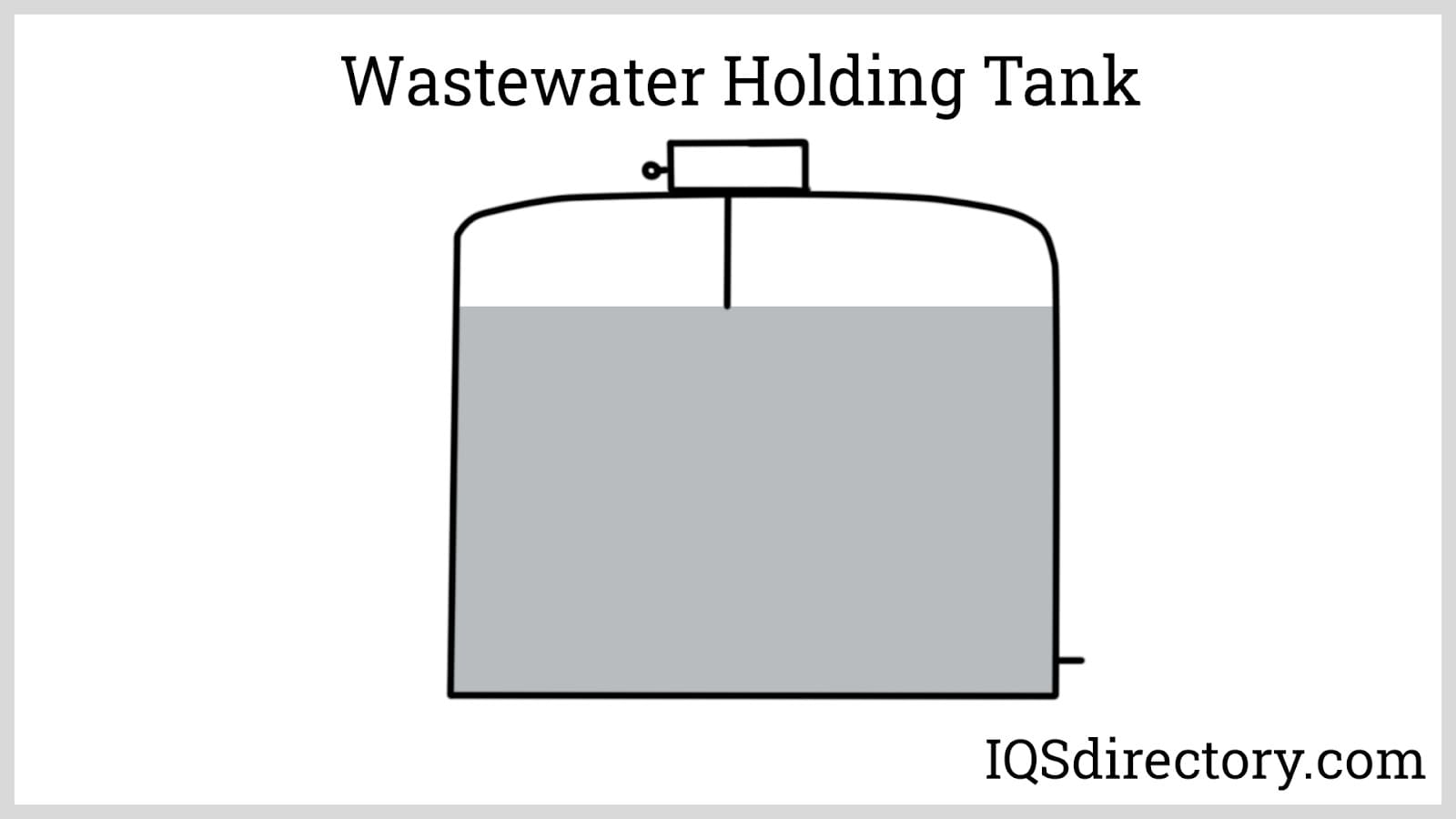
Wastewater is fed into the treatment tank from a holding tank in the corporeality necessary for the functioning.
Feed Pump:
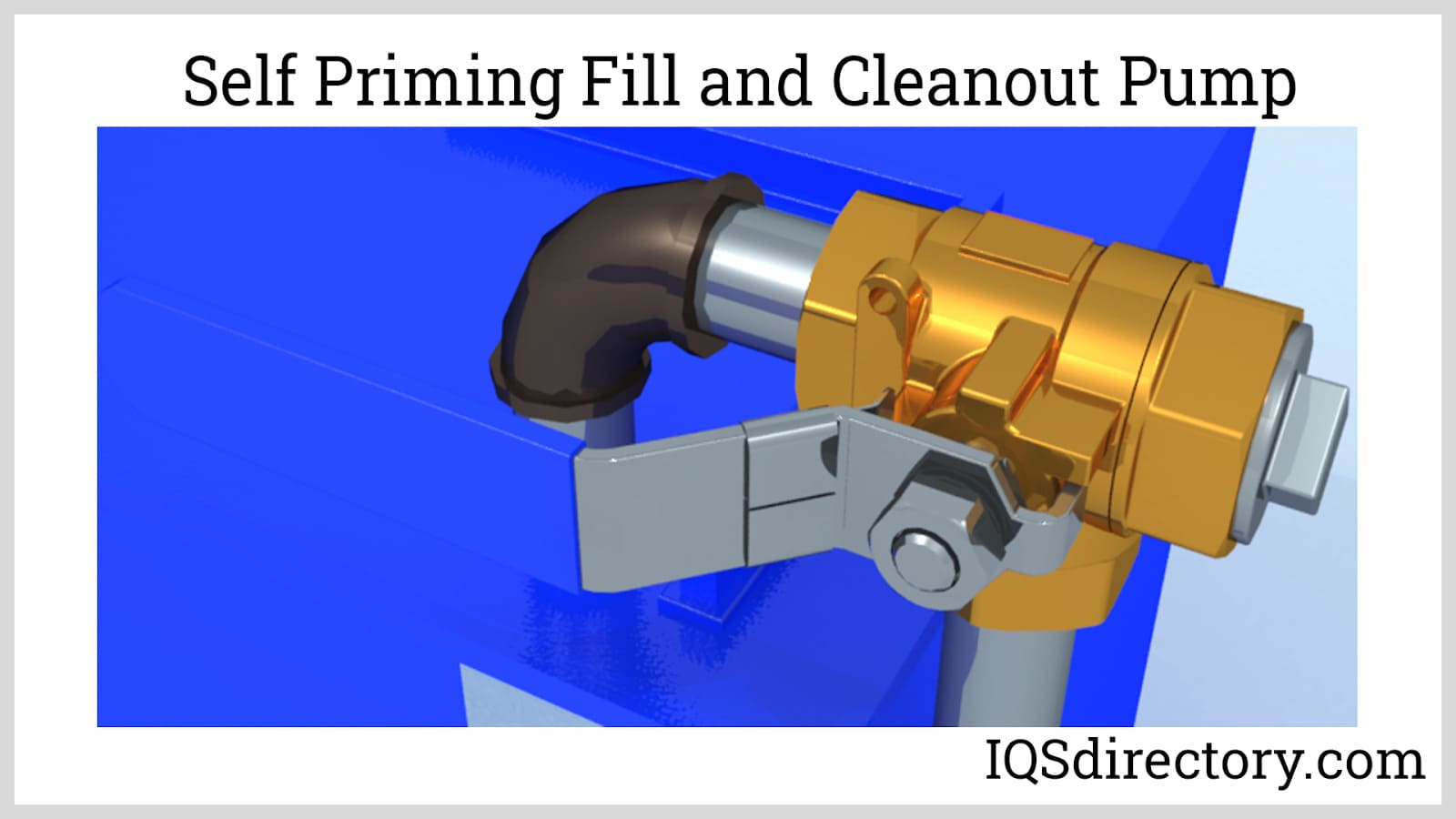
The feed pump moves the wastewater into the wastewater evaporator and can be activated by a toggle switch or using an motorcar fill system.
Heat:
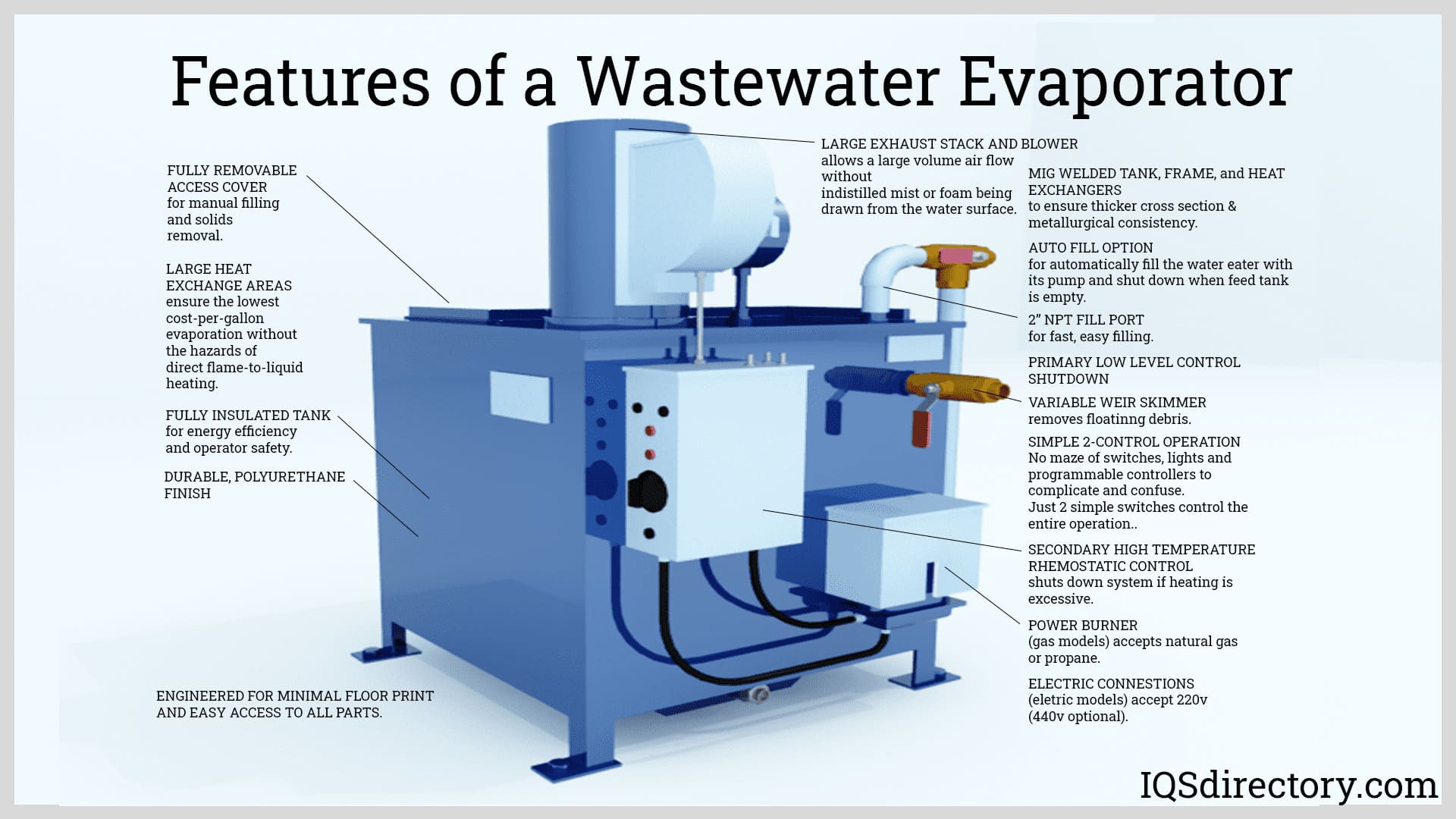
The wastewater evaporation process depends on heated steam created by a heat exchanger, which increases vaporization and concentration. The oestrus in the evaporator creates a flat or even eddy across the surface of the solution.
The temperature rises to a level for maximum concentration of the waste product, at which time the evaporator signals that it needs to be emptied.
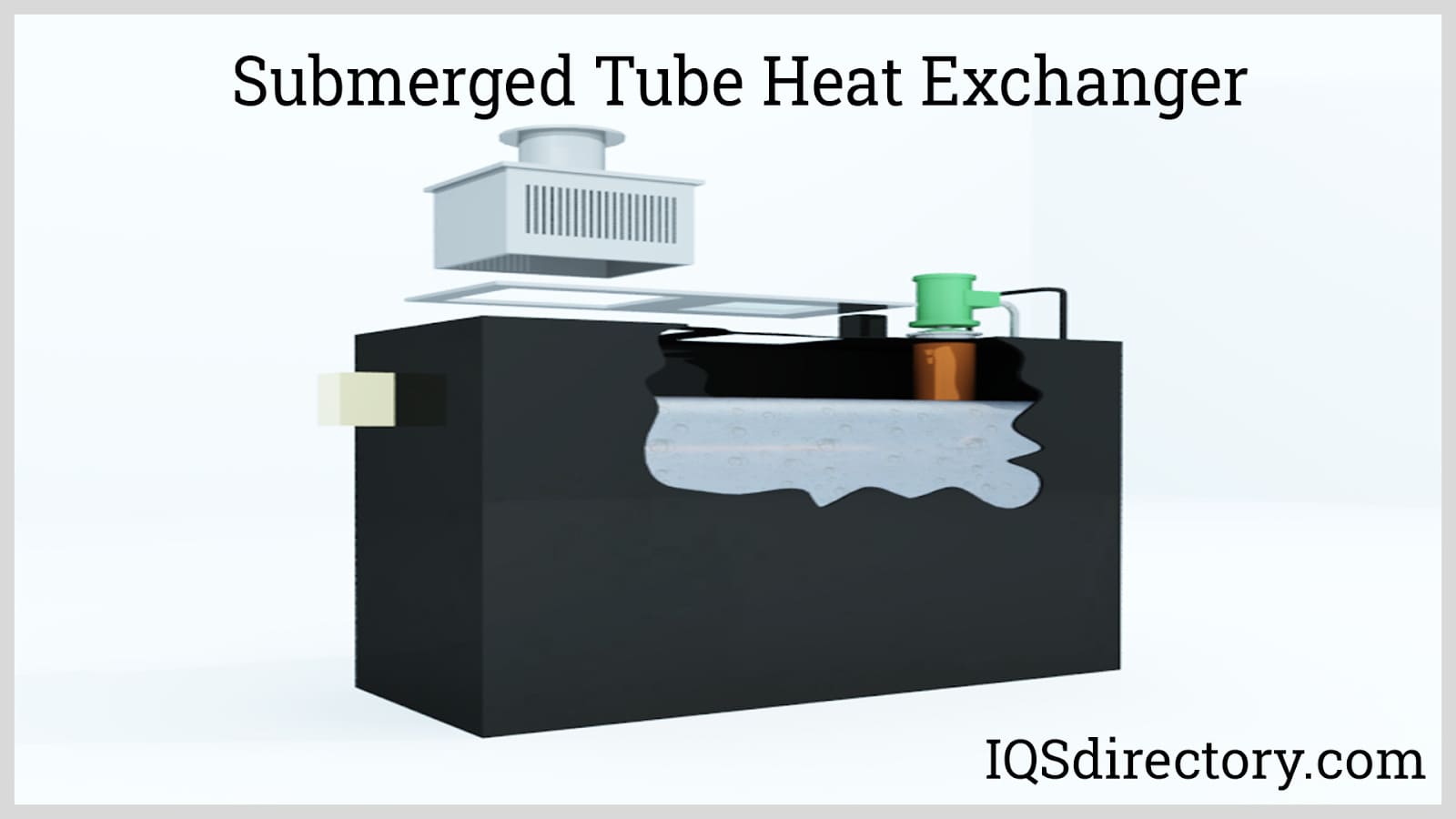
Blower:
The blower on a wastewater evaporator draws air into the evaporator tank to remove water vapors and aid in the heating process. The blower compartment on the unit below tin exist seen in the lower right corner.
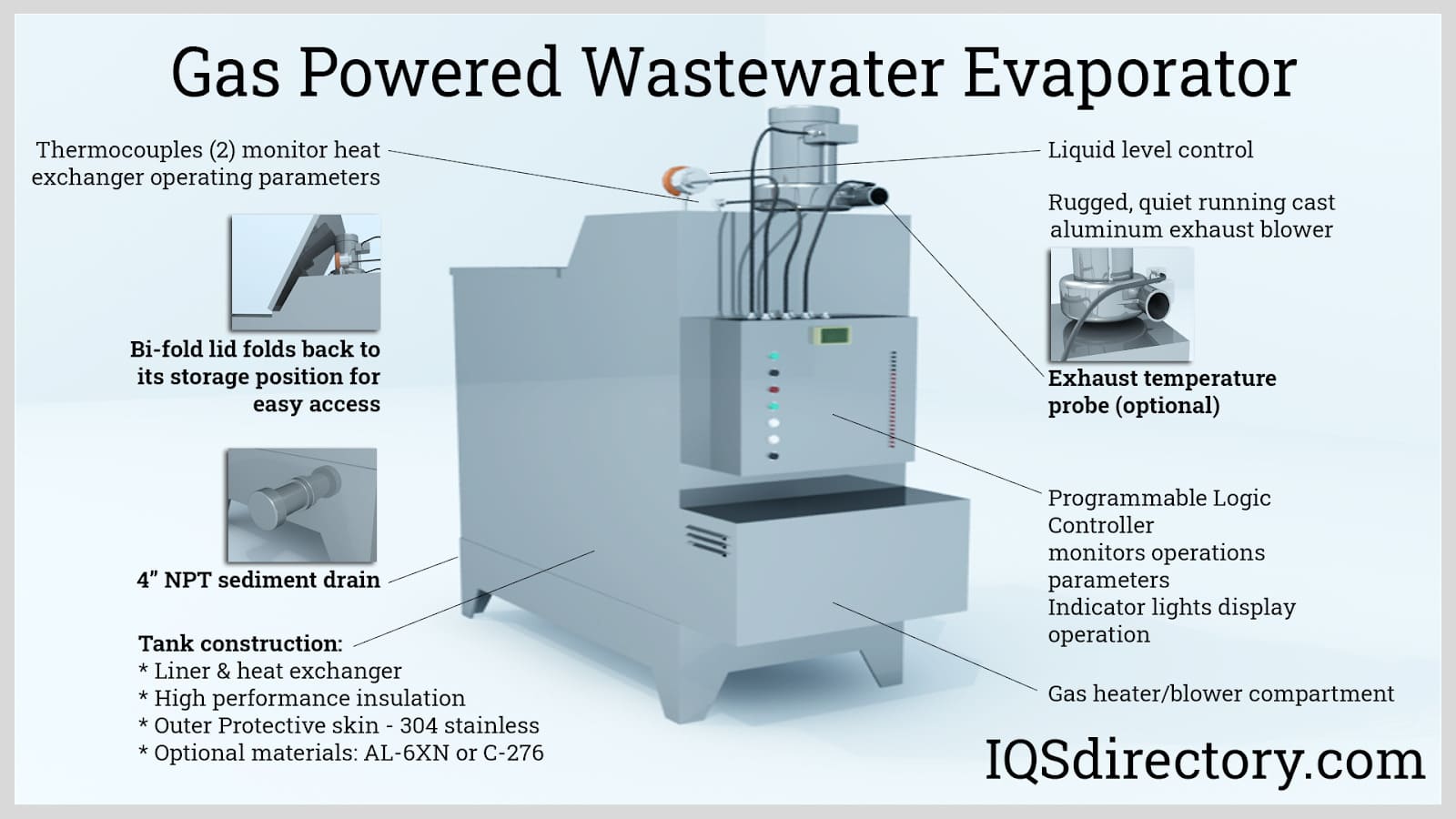
Compressor:
Compressors are used to assistance in the vaporization process and can exist positive displacement, centrifugal, or axial. Wastewater evaporators that utilize a compressor need to have an outside steam source such equally a boiler or heater in the feed tank.
Mist Eliminator:
The mist pad or eliminator removes contaminants from the procedure that may be in the grade of oil or other possible substances. They are fabricated from corrosion resistant materials and can be designed to be self-cleaning.
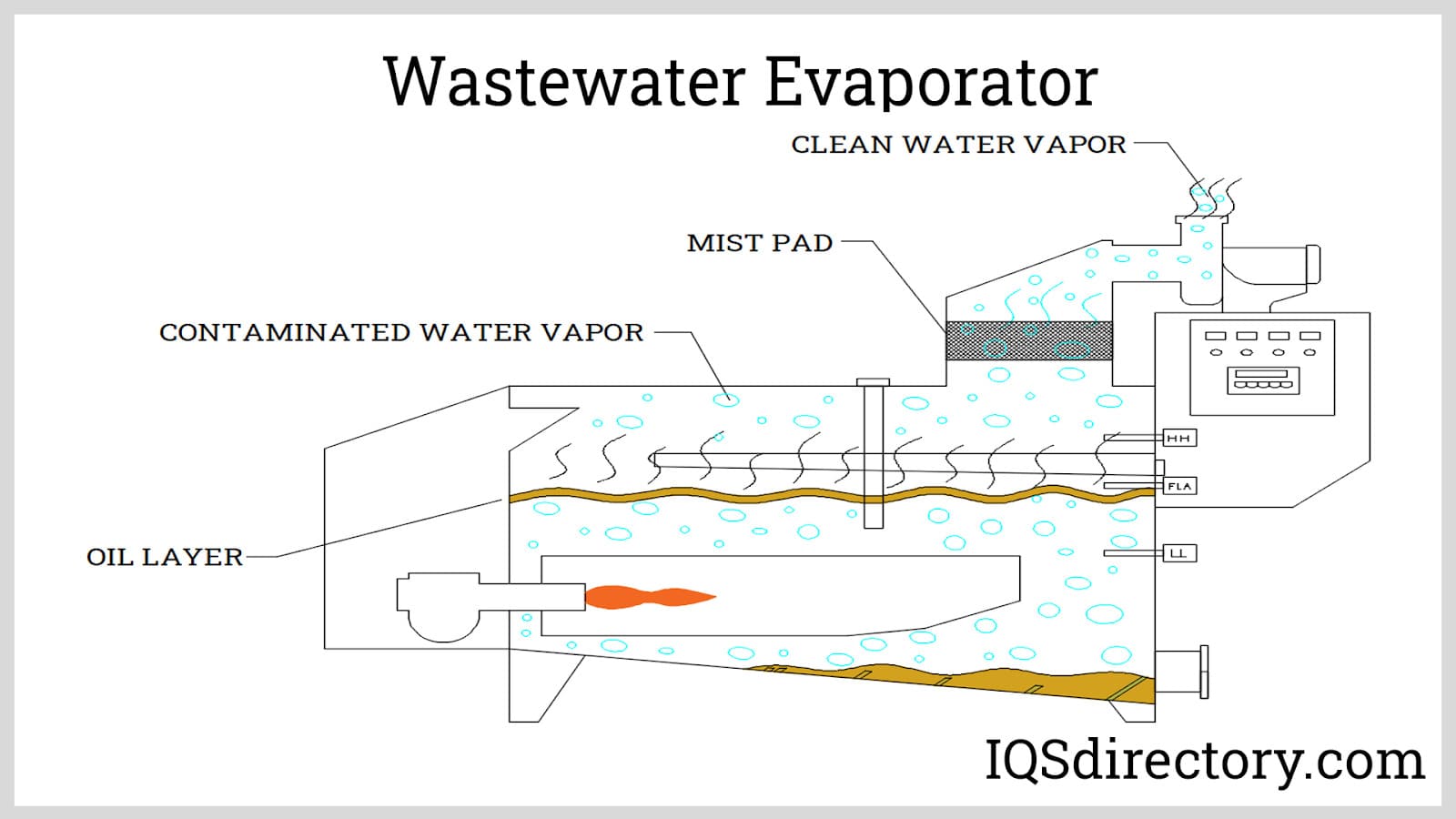
Rut Product in a Wastewater Evaporator
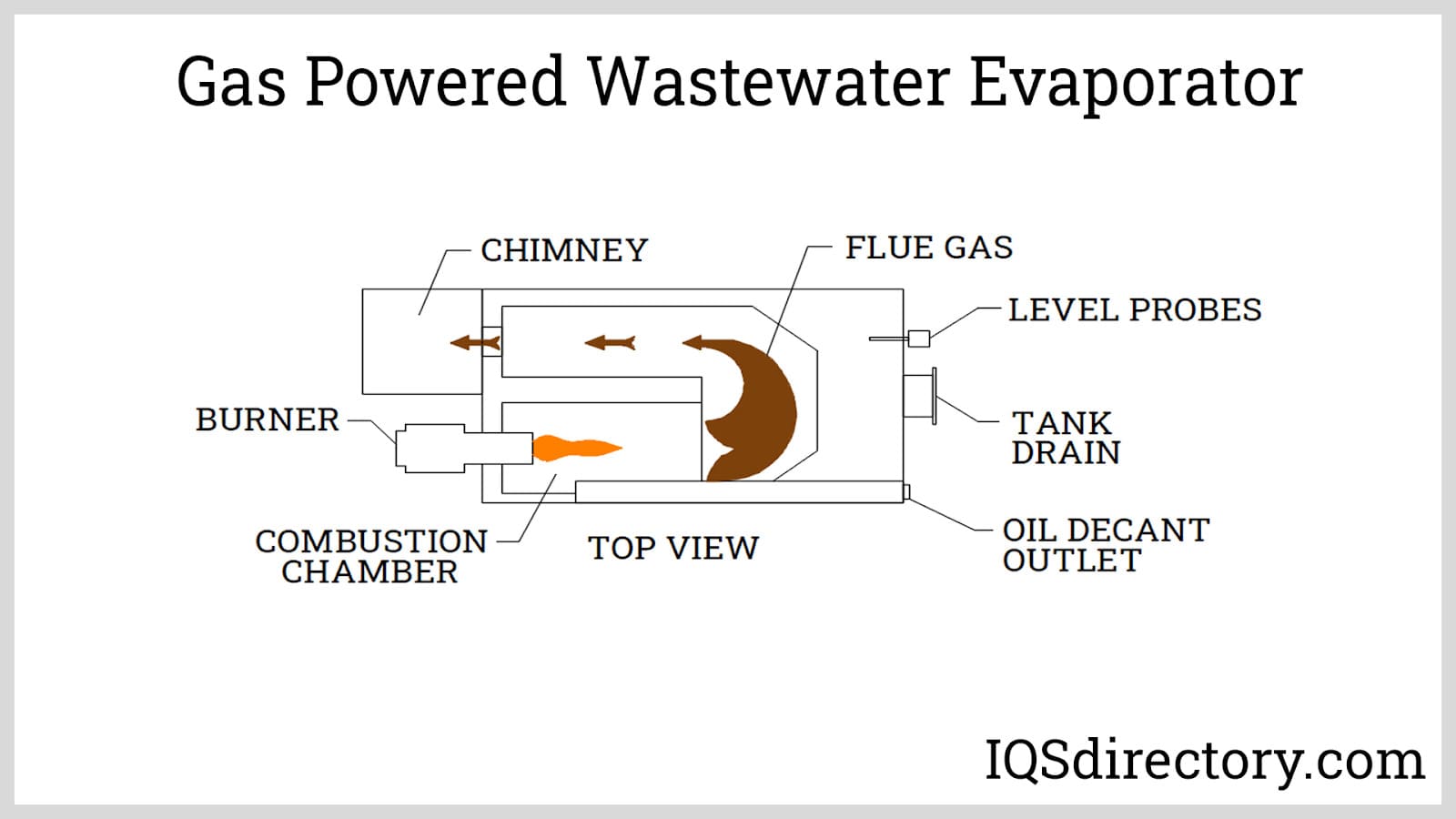
Gas:
The burner is ignited in the combustion sleeping accommodation and sends hot gases to a chimney in the evaporator tank, which heats the wastewater to the humid signal.
Electric:
Units that utilise electricity have the heat exchanger located in the wastewater evaporator tank to create to heat the wastewater.
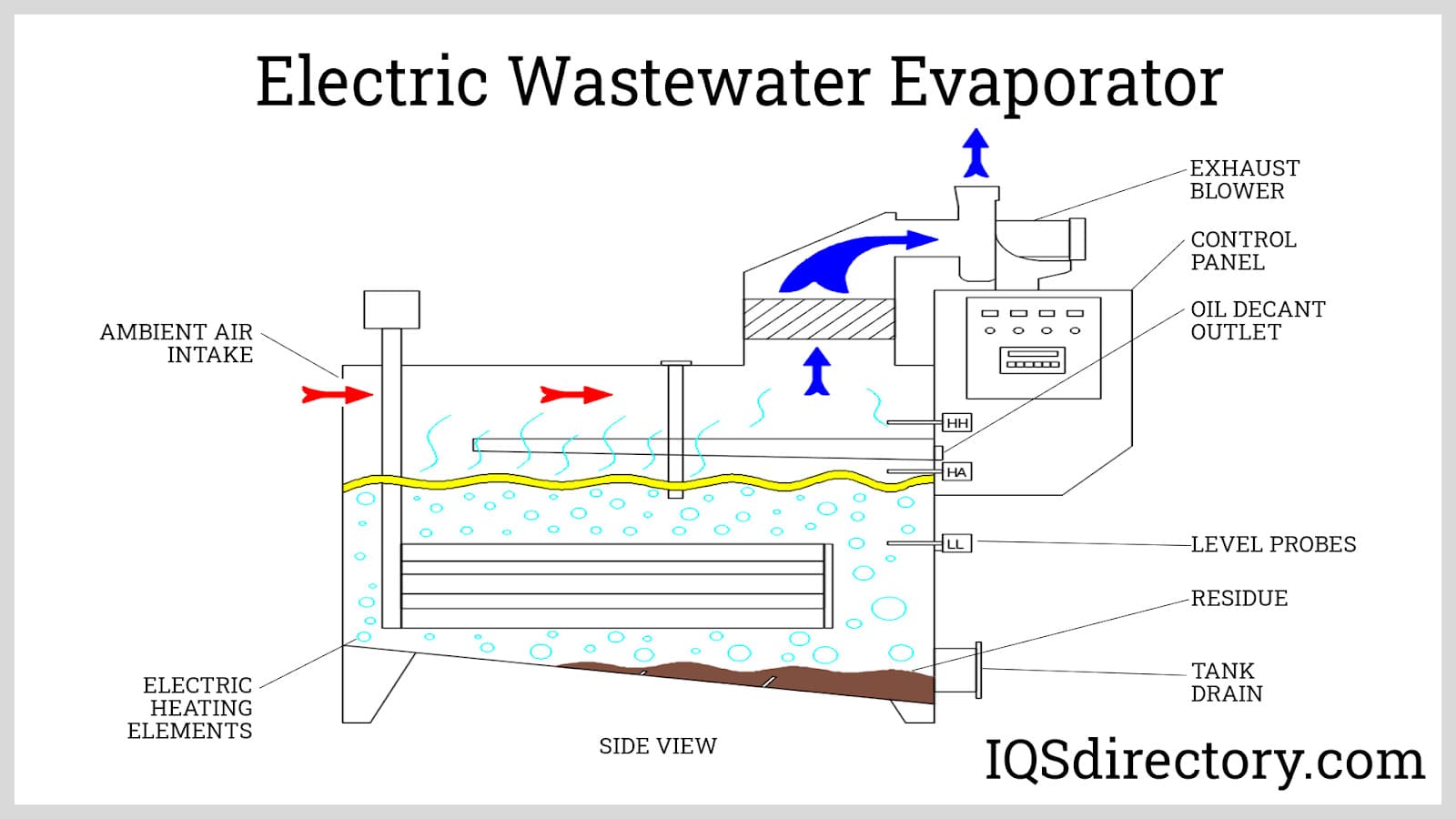
Oil:
Oil powered wastewater evaporators operate on the same principle every bit gas with oil being the fuel. The oil burns in a combustion sleeping accommodation and moves through tubes in the oestrus exchanger from which they enter the chimney where they are combined with air to heat the evaporation tank.
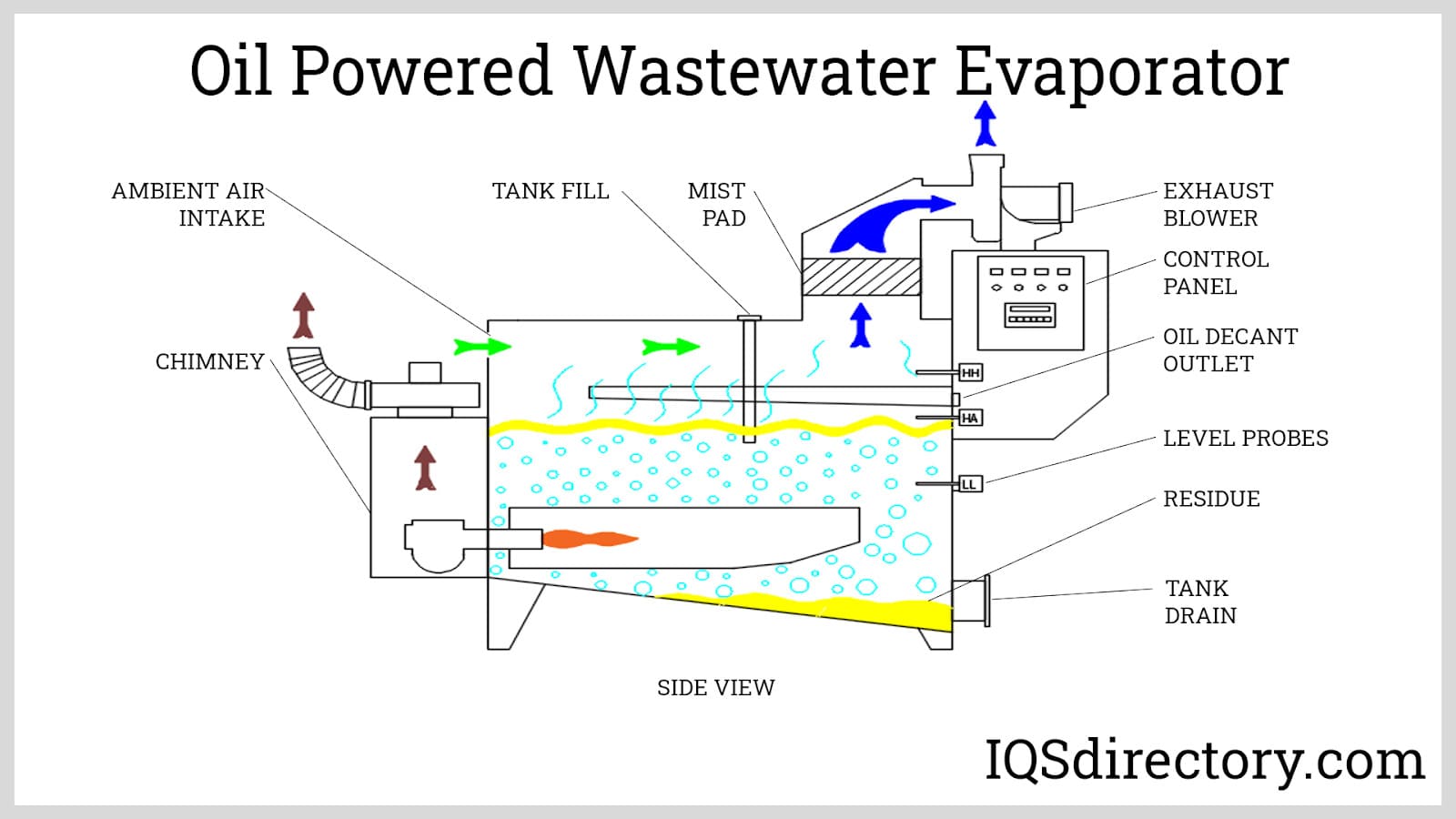
Steam
Steam heats the coils for the rut exchanger. Equally it condenses, heat transfers to the wastewater and is discharged releases the vapors through the mist eliminator.
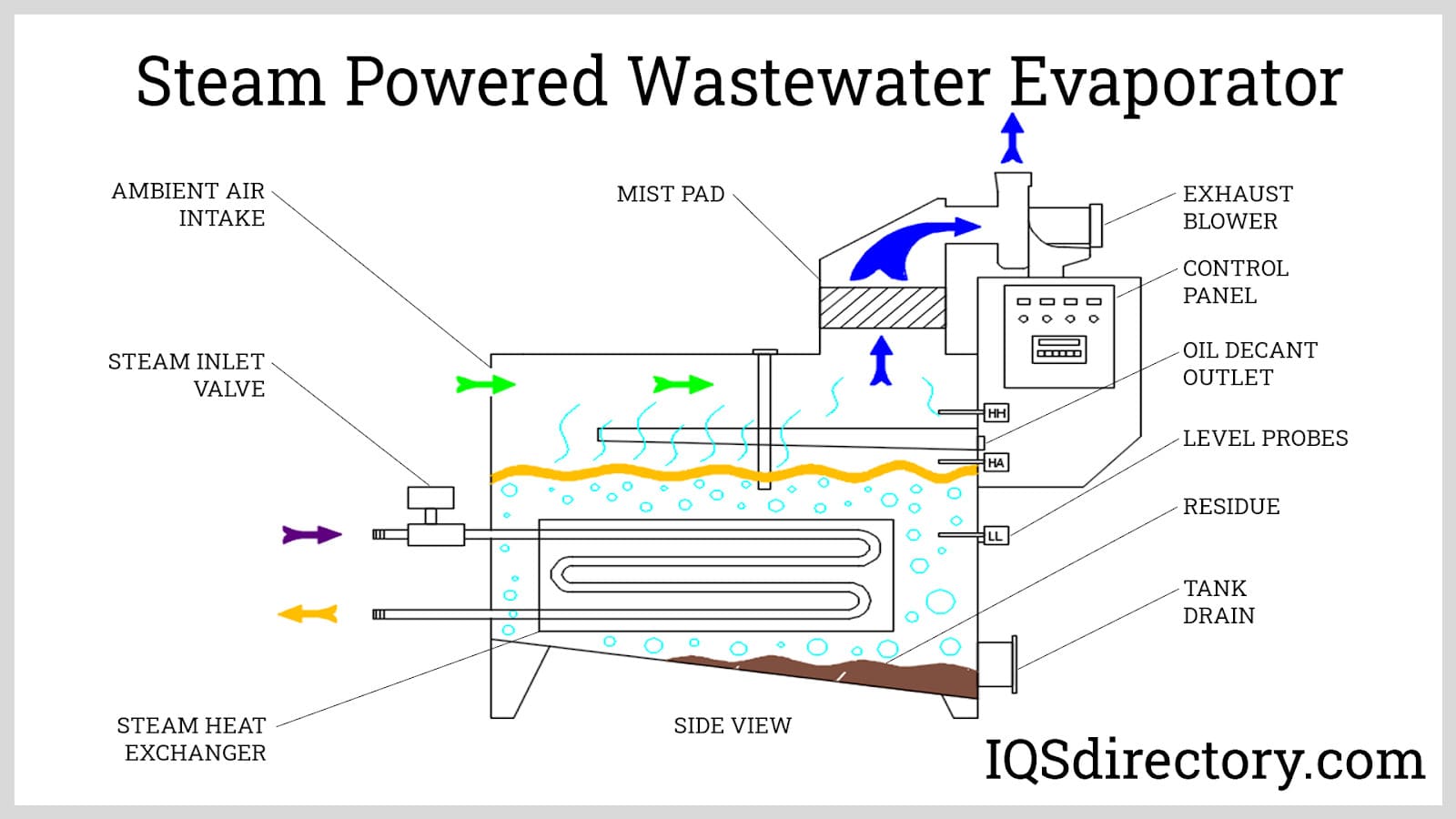
Chapter Iii - Industrial Use of Wastewater Evaporators
Ane of the primary uses for wastewater evaporators is for removing oily waste material from h2o used for parts washers. Removing oil from parts washer water is merely one of the many uses for wastewater evaporators. They are widely used by a diversity of industries from food processing to ability generators.
Uses for Wastewater Evaporators
Metal Finishing:
There are several types of wastewater from metal finishing, which include tumbling, stamping, die casting, and polishing. Metal finishing wastewater contains hard to treat chelating agents that need to be removed. To avoid chemically treating wastewater or filtering, some companies pay to take it hauled away, a very expensive solution. Though wastewater evaporators cannot completely solve the trouble, they significantly reduce the cost of disposal.
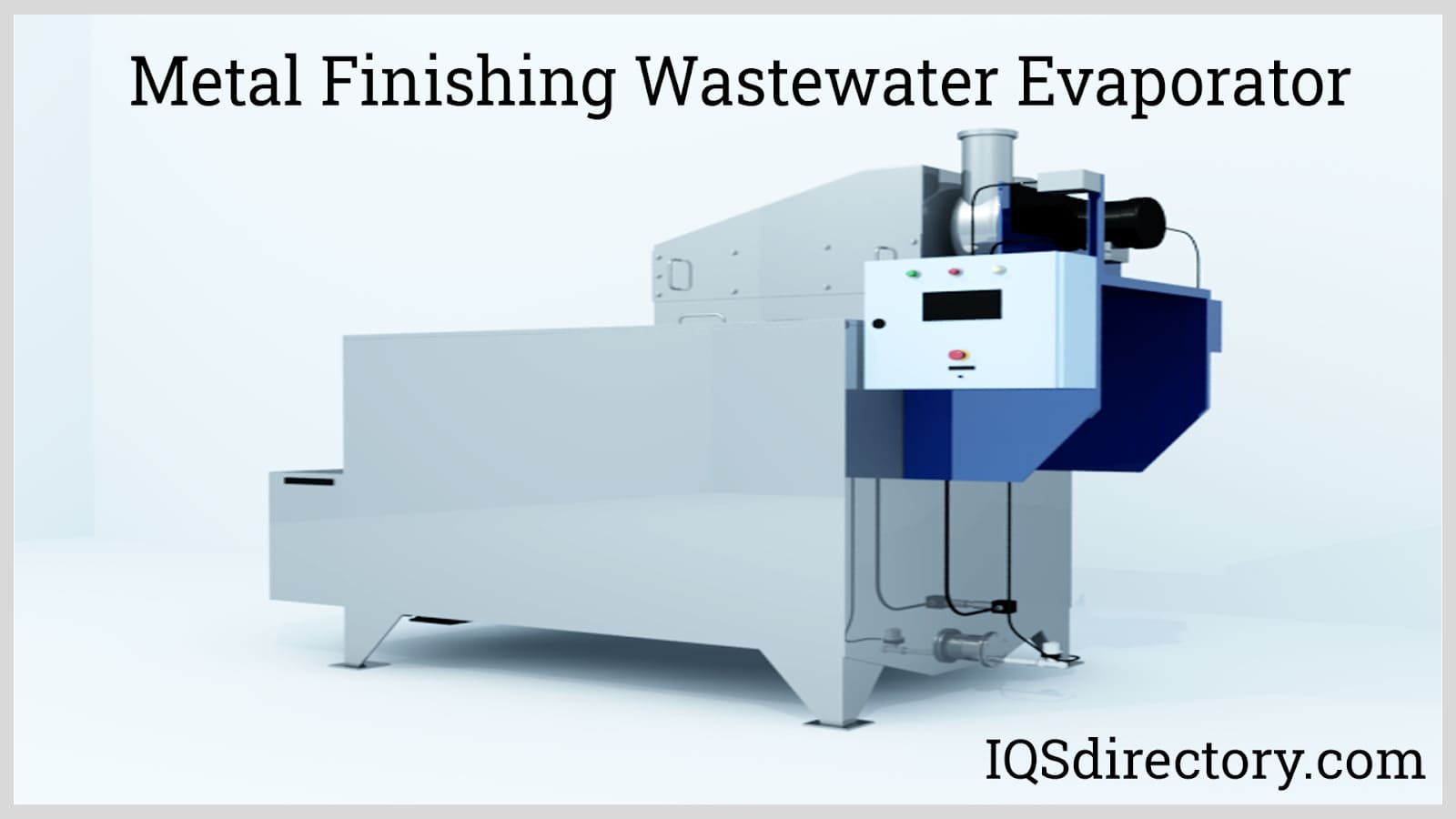
Food industry:
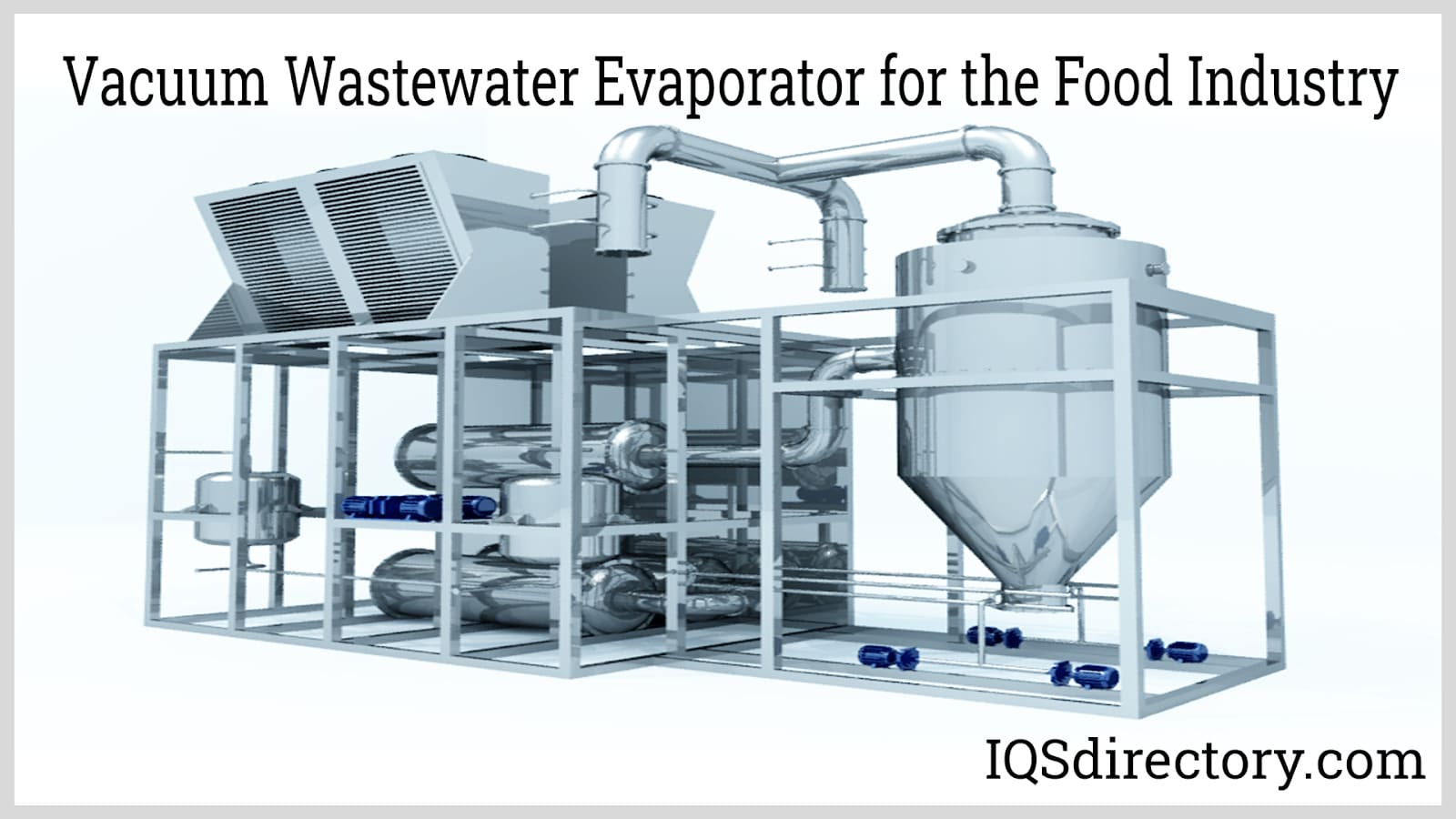
There are several applications for wastewater evaporators in the nutrient industry. Though wastewater from nutrient production is not-toxic and biodegradable, information technology does contain biochemical oxygen demand and solids from the many foods that are processed. Vegetable washing and animal slaughter produce dissolved organic materials that need to be removed from h2o earlier information technology can be reused or discharged.
Pharmaceutical:
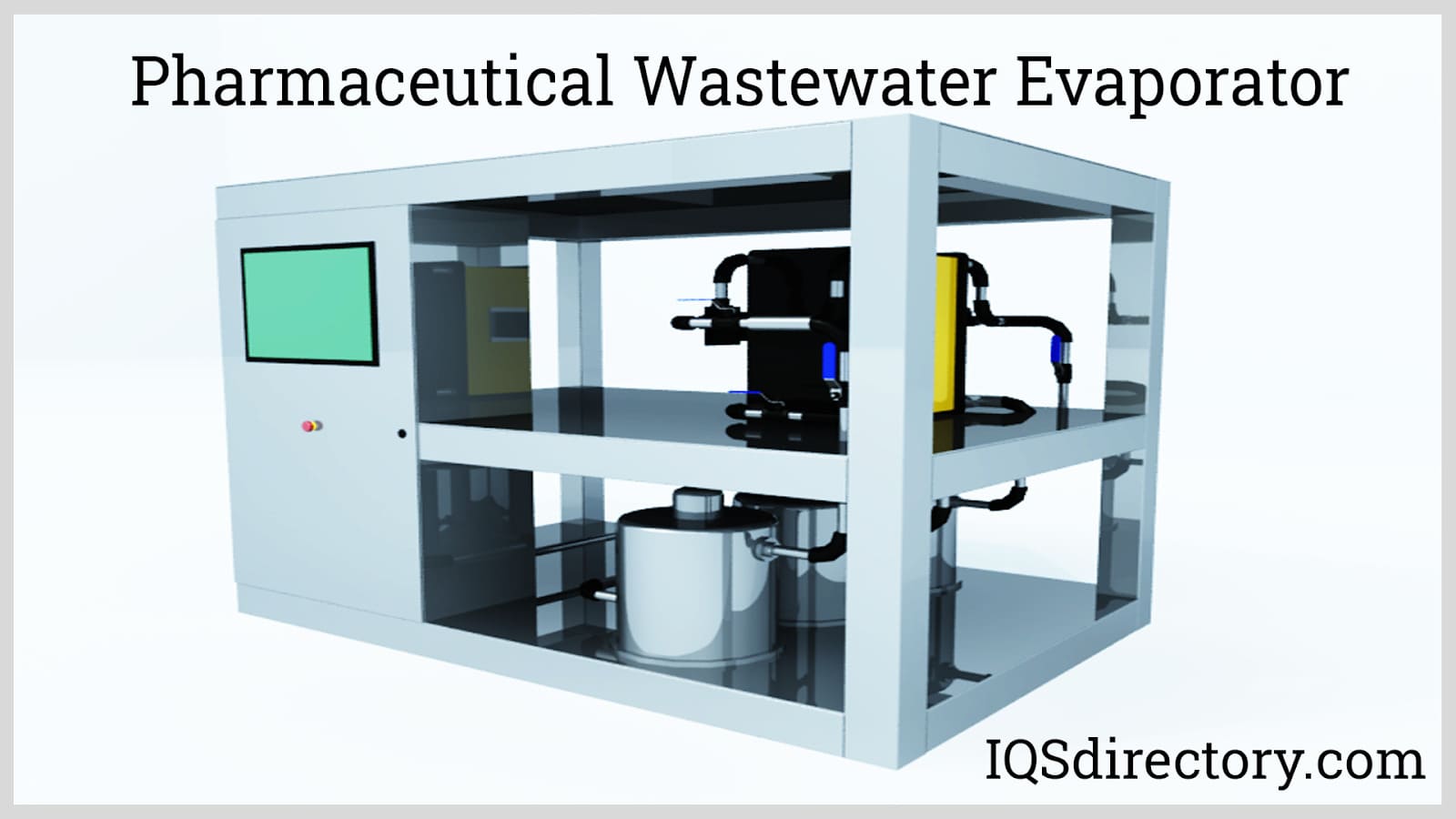
The pharmaceutical manufacture requires make clean water because chemists need pure water in the production process. Regulating agencies gear up standards for the purity of water to be used when producing drugs. The contaminants produced from pharmaceutical production are chancy and dangerous, which makes wastewater evaporation equipment a necessity.
Paint Product:
Water is a necessary part of the paint manufacturing process for water based paints and cooling of ball mills for the production of oil based paints. Wastewater from paint product contains high amounts of alkaline from cleaning and from cooling towers. The wastewater from paint production is small in book just highly concentrated with pollutants.
Part Cleaning:
Parts cleaning is water-based and produces brownish greyness and clear water that has a soapy appearance with settled solids and oil. Parts produced for automotive and other manufacturing applications are washed before beingness sent on to associates. H2o from the process contains pollutants that have to be removed.
Graphic Arts:
Wastewater from graphic arts is produced from starting time and flexo plates, ink, and cylinder etchings.
Automobile Coolant:
Machining coolants are used to absurd tools and parts being fabricated overheat during processing. Coolants are water-soluble oils, water-soluble synthetics, and oil. In the normal process, coolant is constantly fed through the machine until it is no longer useful and needs to exist cleaned. Information technology is and then fed into an evaporator to evaporate the water leaving metals and oil in the evaporator tank.
Landfill Leachate:
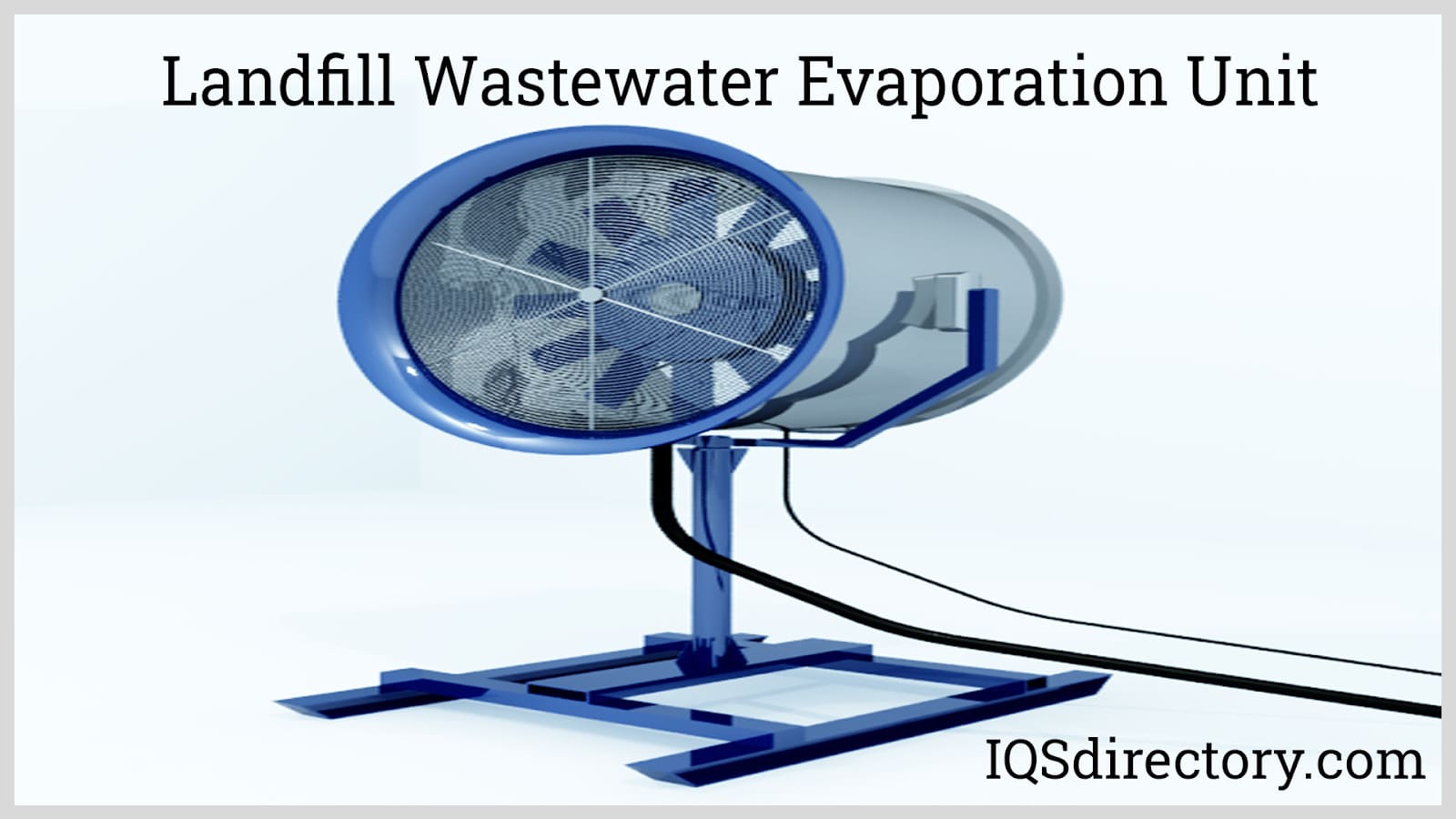
Landfills accept dissolved organic and inorganic matter, heavy metals, and other organic compounds. The type of landfill and its age determines the corporeality of leachate, liquids that bleed or leach in the landfill. The wastewater from landfills tin can accept serious negative environmental furnishings and requires treatment. The treatment of leachate wastewater at 1 location may be totally dissimilar than at another ane. Wastewater evaporators are perfect for this awarding since they can adapt to variations in the wastewater stream.
Affiliate Four – Types of Wastewater Evaporators
The purpose of vaporization is to modify a liquid to a vapor. Though vapor and gas may seem interchangeable, vapor is unlike gas because information technology begins as a liquid and is transformed into a vapor. When a liquid is changed to a vapor below its humid signal, the process is referred to equally evaporation.
Factors that influence evaporation:
- Concentration in the air
- The concentration of other substances in the air
- Temperature
- Air menses charge per unit – the higher the air menses, the greater the rate of evaporation
- Molecular forces – the stronger the force keeping molecules together, greater free energy has to exist applied.
Types of Wastewater Evaporation
Banality Accident Off Evaporator:
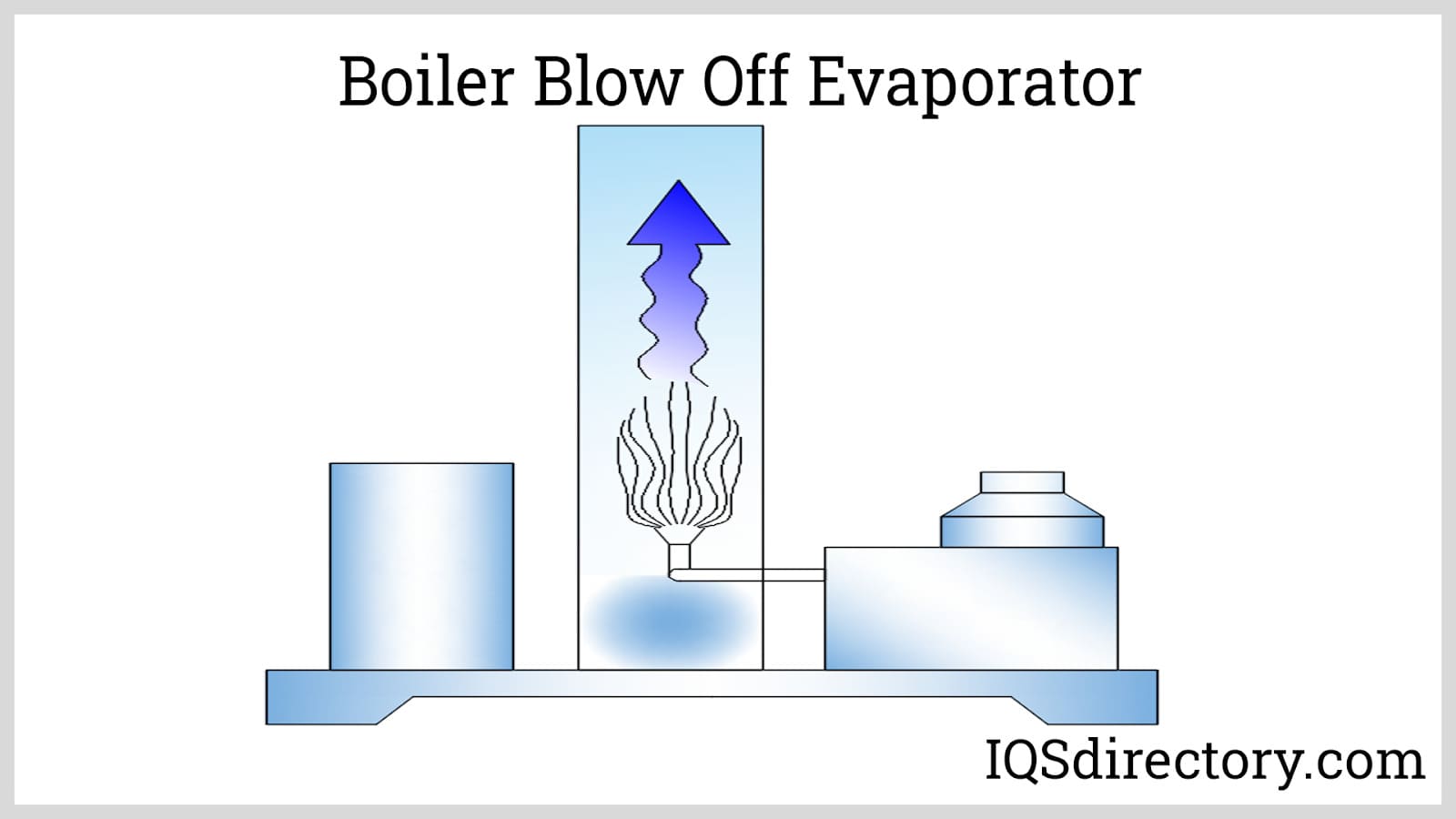
The banality accident-off for evaporators is non used for collecting or removing suspended solids. In this method, solids are dissolved every bit vapor at 212° F and blown into the atmosphere.
Boiling H2o in a Tank:
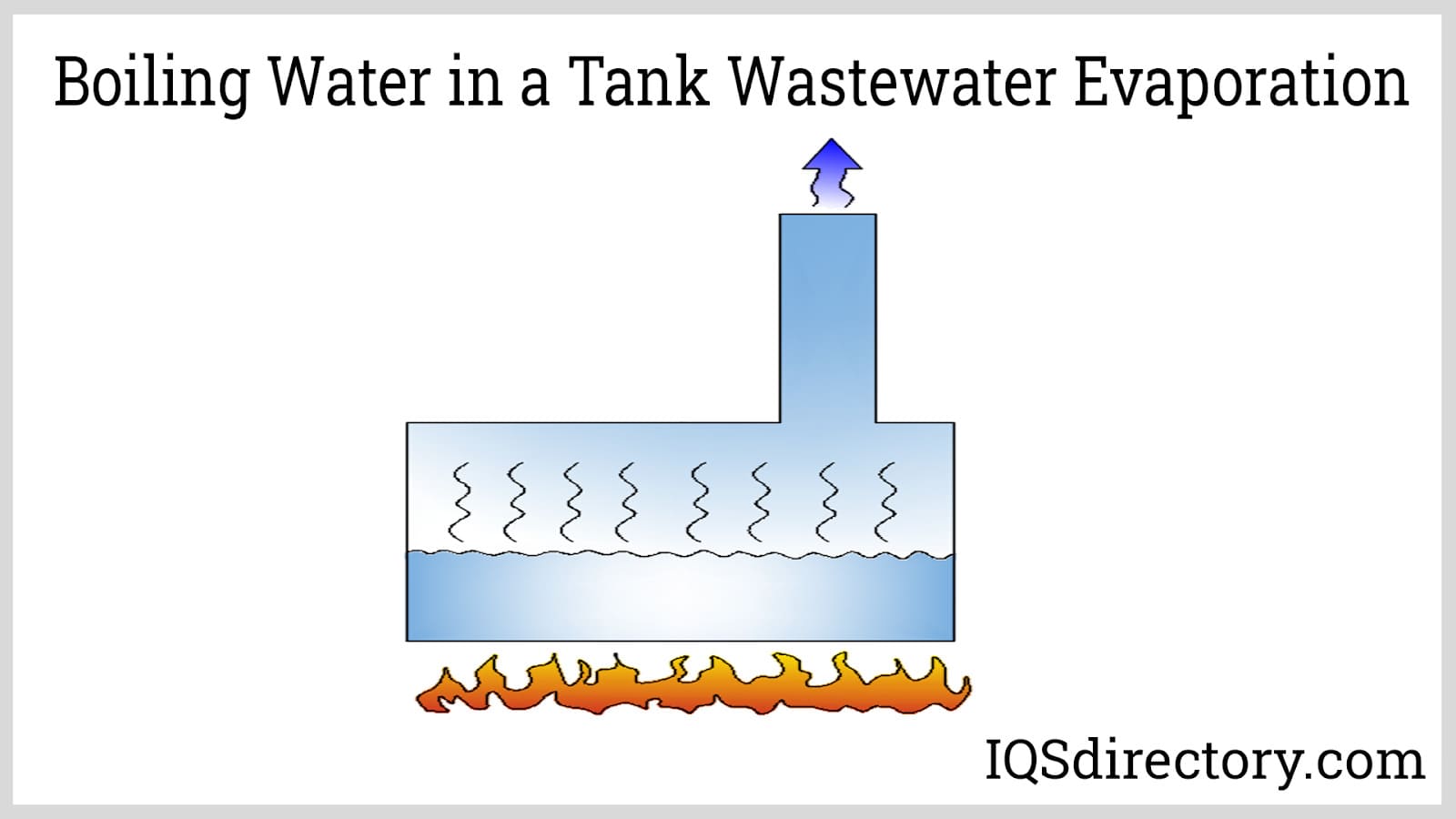
Boiling water evaporation consists of humid water at its boiling point and exhausting the steam through an frazzle pipage. This method cannot remove dried solids.
Forced Air Evaporator:
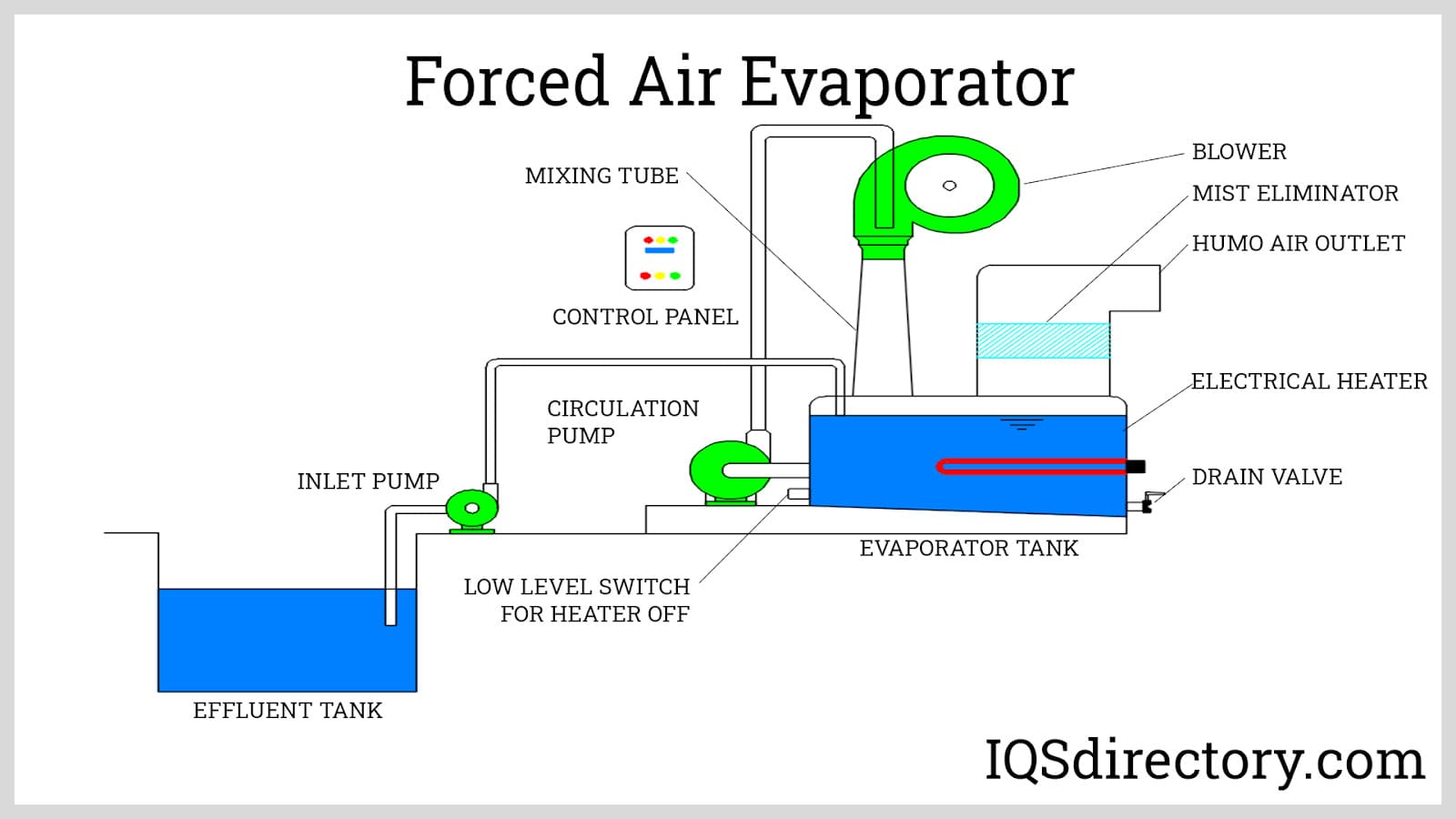
A forced air evaporator has a feed pump, evaporation tank with a heater, a circulation pump, blower, mixing tube, mist eliminator, and air outlet. Wastewater is pumped into the evaporator tank and is heated. Air and wastewater are mixed and pass to the evaporator tank where it goes through the mist eliminator and out the air outlet.
Heat Exchanger Evaporator:
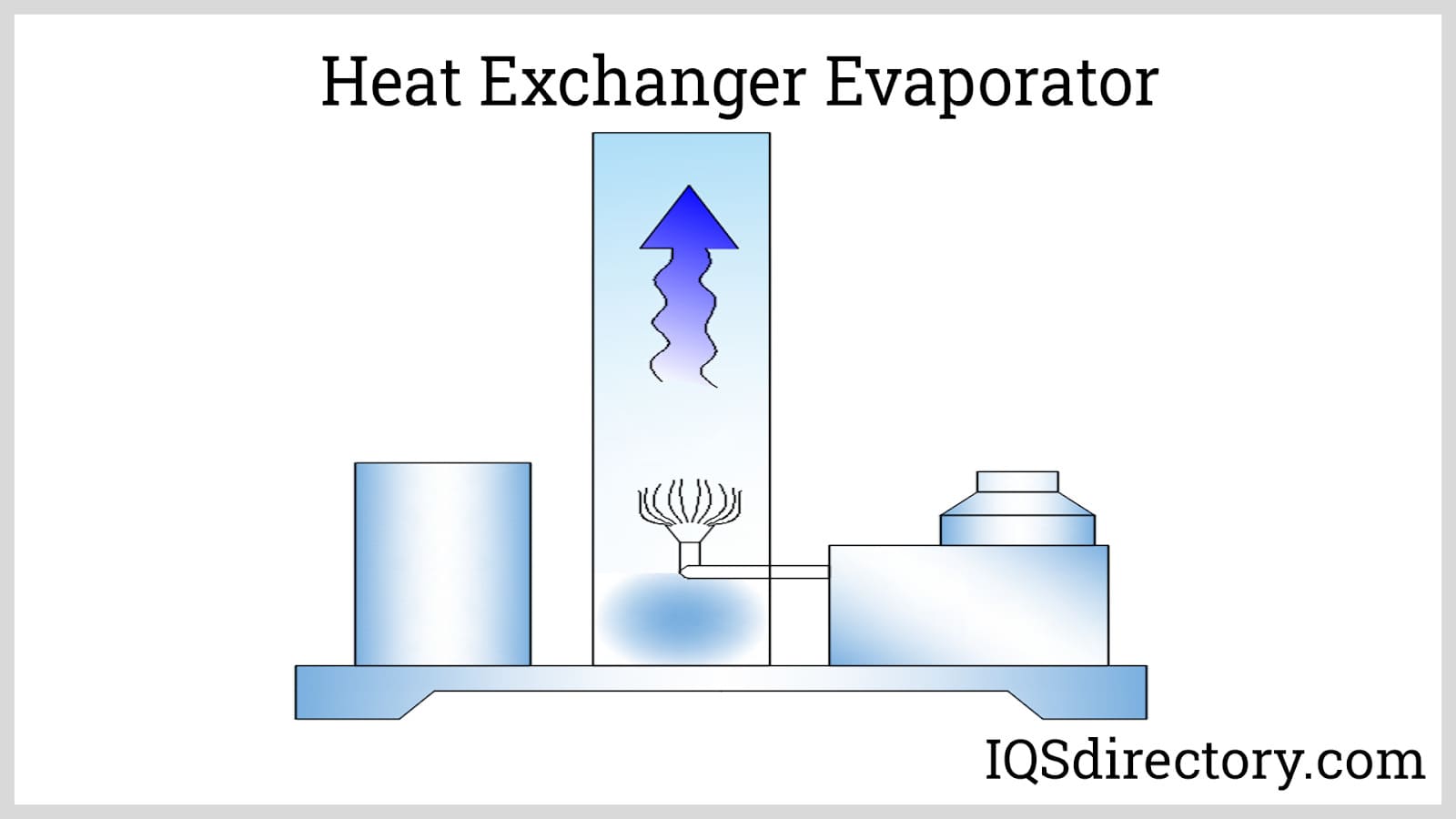
In a oestrus exchanger, high temperature oil, that has been heated in an oil filled curl, is pumped to a coil inside the tank containing contaminated waste.
Leachate Wastewater Evaporator:
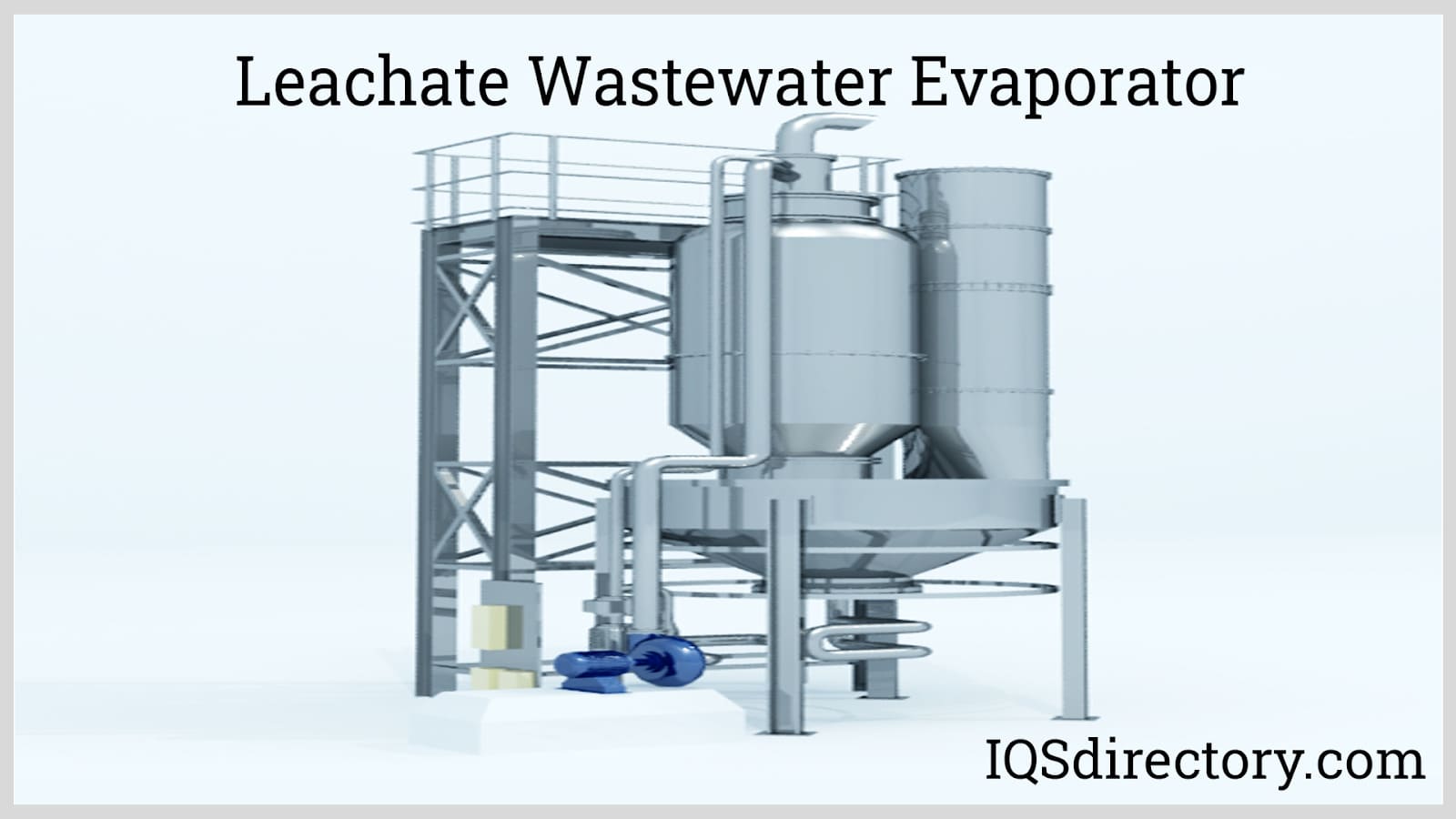
Leachate wastewater evaporators are designed to reduce leachate book. They remove h2o from the leachate and drive off the cleaned vapors, while leaving sludge and solids behind.
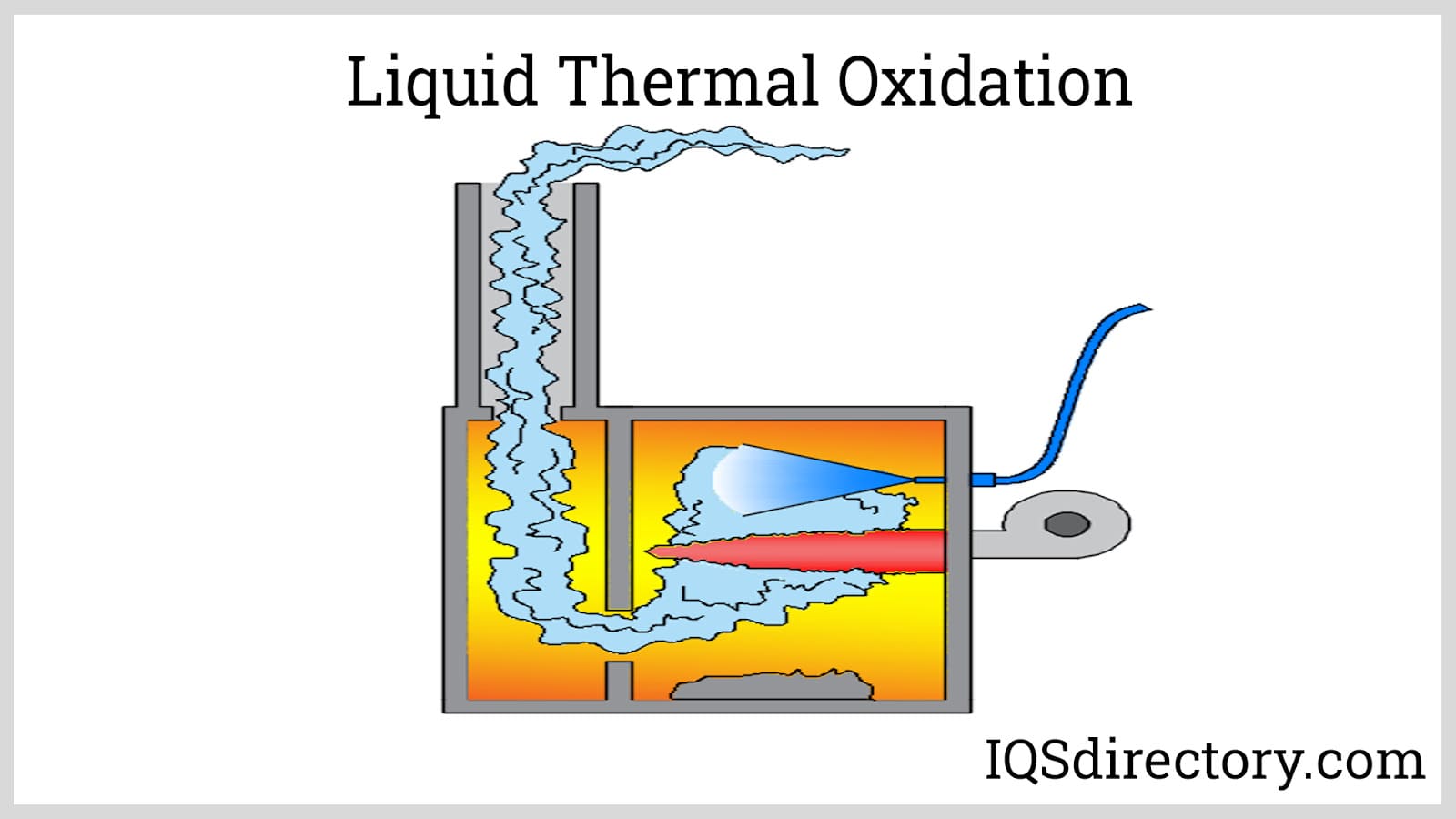
Liquid Thermal Oxidation:
The liquid thermal oxidation method involves spraying liquid waste, under force per unit area, nearly a flame. At 1250° F, all volatile organic compounds (VOC) are oxidized and dissolved, while solids are oxidized to ash. Contaminants are changed to inorganic ash.
Natural Wastewater Evaporation:
Water that is placed in an outdoor pond will naturally evaporate by solar rut and air current. Natural evaporation requires a great deal of space.
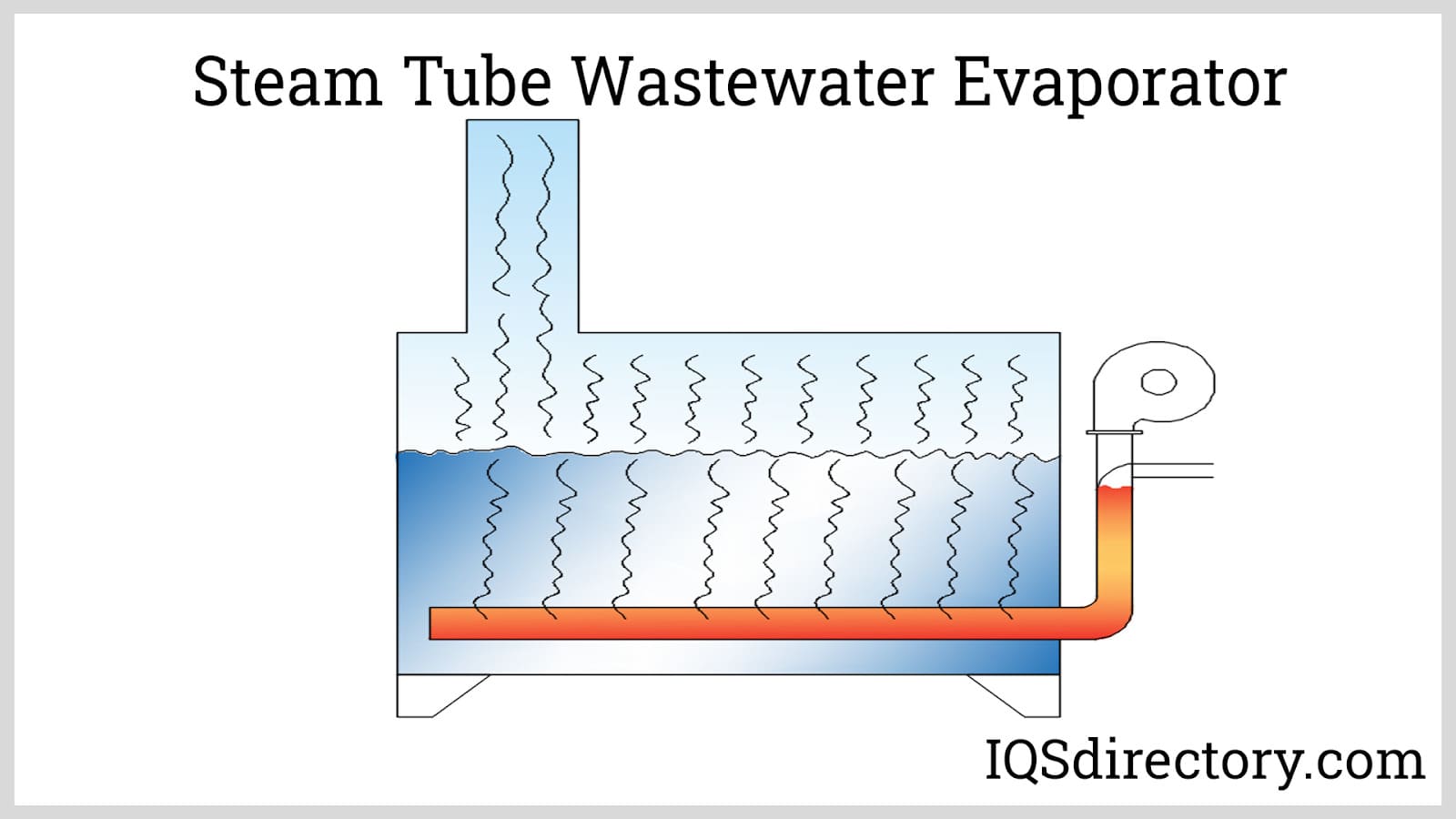
Steam Tube Evaporator:
The concept of the steam tube evaporator is based on the same principle as the boiling tank evaporator. The deviation between the methods is that heated exhaust gases are passed through the wastewater, which improves oestrus transfer.
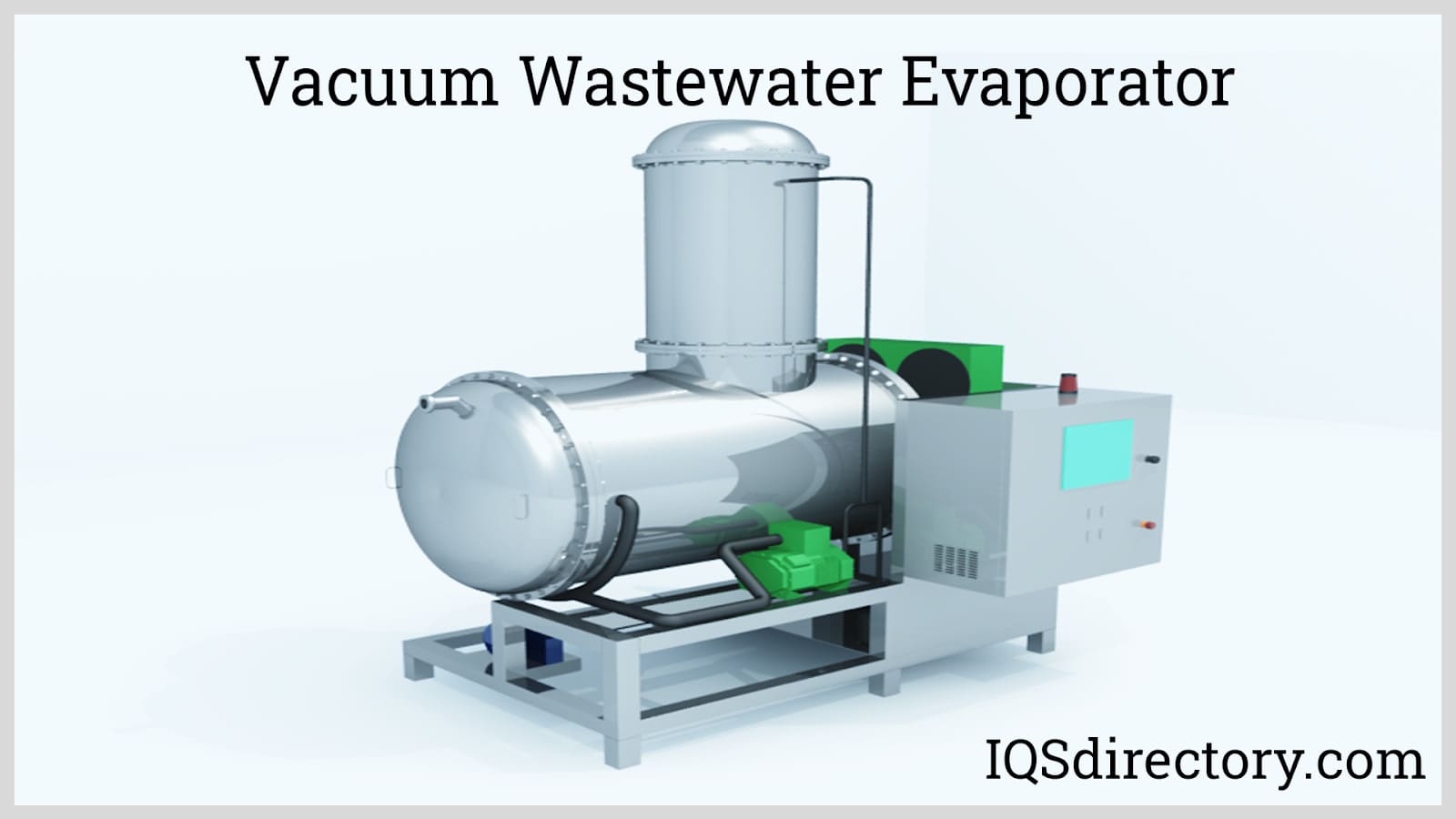
Vacuum Wastewater Evaporator:
Vacuum wastewater evaporators lower the pressure level in the evaporation tank beneath the pressure in the atmosphere reducing the humid point of the wastewater. The procedure removes the need for heat and can be used with liquids that have a high boiling point. Vacuum wastewater evaporators are a safety and efficient method of removing contaminants.
Chapter Five – Benefits of Wastewater Evaporator Technology
Though at that place are several techniques for wastewater disposal, wastewater evaporators are slowly gaining popularity. Unlike chemical treatments and other processes, wastewater evaporators are environmentally friendly and tin remove salts, heavy metals, and hazardous materials in the water purification process.
With the rise of technology, there has been an increase in the need for proper wastewater disposal due to the nature of water-mixed chemicals in creating highly technical instruments.
Benefits of Wastewater Evaporators
Energy Efficient:
Wastewater evaporators work on a 1:1 ratio where the amount of energy used to extract water is the same as the corporeality of h2o being extracted. This ratio can be improved by using multiple effects, such every bit taking the steam from ane operation and using information technology for another.
Zero Liquid Discharge:
National, country, and local governments accept regulations regarding the discharge of industrial wastewater that are upgraded regularly. Wastewater evaporators can achieve zero wastewater belch to more than encounter local and national regulations.
Total Dissolved Solids (TDS):
TDS refers to the parts per one thousand thousand or milligrams per liter of contaminants in water. Wastewater candy by an evaporator can produce less than 10 mg/L or as few equally two mg/50. These levels let the processed water to be reused and recycled to the manufacturing process.
Toll:
When compared to chemical precipitation systems, wastewater evaporators are far more than efficient and cost effective. While a chemic treatment procedure can work at 395 Liters per infinitesimal (L/1000), a wastewater evaporator can process 190 L/thousand.
Flexibility:
Every industry and wastewater site have different concerns and problems. What may work at one location may non apply to another. Wastewater evaporators tin adapt to any conditions and can be programmed to handle whatever course of contaminants.
Book of Waste material:
The most significant benefit of a wastewater evaporator is its ability to reduce the volume of waste material materials by removing the moisture from the materials. One of the issues that waste matter direction operations are facing is the always decreasing corporeality of area available for waste disposal. The elimination of water from waste product greatly reduces its volume.
Inclusion
Added to the flexibility of a wastewater evaporation system is its power to work independently or be added to an existing system. Its adaptability and being able to be engineered into existing processes saves on costs and improves the overall wastewater disposal process.
Comparison of Other Wastewater Disposal Methods
Natural Evaporation:
Natural evaporation has been used for many years as a ways of evaporating water in ponds to leave hazardous materials behind. Though it is environmentally sound, the process takes very long and can contaminate the surrounding environment.
Sewage Discharge:
For many centuries, people simply threw dirty water into rivers and streams without realizing the consequences. As ecology concerns have grown, regulations have been enacted to strictly control the discharge of wastewater into sewers and public waters.
Removal to be Dumped:
This is still a viable choice for removing waste material products from industrial operations. It is simply a matter of sending waste to a landfill or regulated disposal site. The process is plush and avoids the fact that over 70% of waste contains water that could be removed to lower the volume of the waste.
Filtration:
Through the technical developments, more highly refined filters have been developed to remove the most minute particulates. Though it has become a viable organization for purifying water, information technology is not e'er reliable and has to be closely monitored, which increases labor costs.
Contrary Osmosis (RO):
Reverse osmosis was one of the outset methods for removing contaminants from water. The procedure involves forcing wastewater through a semi-permeable cloth. The process traps large particles and allows small-scale ones to pass through. The problem with the RO procedure is what to do with the h2o that is left behind and unable to laissez passer through the membrane.
Chemicals:
The use of chemicals to treat wastewater is over 70 years onetime and was one of the first methods used as a treatment method. As make clean h2o regulations accept grown, chemical treatment methods take become less and less useful since the process cannot safely remove a sufficient number of contaminants and leaves residual chemicals.
Evaporation:
Wastewater evaporation is simple, efficient, and price effective. It takes footling time to install and tin immediately be put to employ. Engineers from manufacturers take samples of a company's wastewater and program wastewater evaporators to fit a specific application.
Chapter Six – Wastewater Evaporator Regulations
Requirements for wastewater evaporators are dependent on legislation regarding clean water. The outset Clean Water Act (CWA) was passed in 1972 as the Federal H2o Pollution Control Deed to exist administered by the Ecology Protection Agency (EPA).
The goal of the CWA is to eliminate untreated water discharge from cities and factories. The scope and oversight of the EPA has grown over the years to include more wastewater locations than those of cities and factories. It has come to cover agriculture, logging, newspaper product, and fertilizers.
National Pollutant Discharge Elimination Organisation (NPDES)
The NPDES is a department of the EPA and issues permits regarding the level of water purity from wastewater handling facilities. A allow licenses a treatment system to discharge a regulated amount of pollutants under strictly controlled conditions.
Types of NPDES Permits
Individual: An individual permit has requirements that use to a specific location or facility. The allow is issued afterwards a study of the conditions and operations of the location and has a regulated timeline of less than five years, at which fourth dimension it has to be renewed.
General: A general permit, which can be referred to as a group permit, applies to wastewater treatment operations in a geographical area. They are designed for companies that have several locations with wastewater handling and avoids the need for a allow for each location.
For a country to oversee wastewater processes, information technology applies to the EPA through NPDES to receive say-so to regulate wastewater direction. To receive authorization, a state has to submit a report on its program for blessing.
Several states accept passed legislation with stipulations regarding wastewater processing, with some beingness more stringent than others.
Conclusion
- A wastewater evaporator is a method of removing water from h2o based waste past converting the water in the waste to a vapor and leaving contaminants.
- A wastewater evaporator uses thermodynamics and mass transfer to remove water from waste product cloth.
- One of the primary uses for wastewater evaporators is for removing oily waste from h2o used for parts washers.
- Requirements for wastewater evaporators are dependent on legislation regarding make clean water.
Source: https://www.iqsdirectory.com/articles/parts-washer/wastewater-evaporator.html
0 Response to "How To Build A Wastewater Evaporator"
Post a Comment